
Discover how to spend your productivity wisely for maximum impact. Learn from business trips across Bangladesh, Cambodia, Vietnam, and the Philippines how aligning energy, focus, and purpose transforms productivity and drives meaningful results.
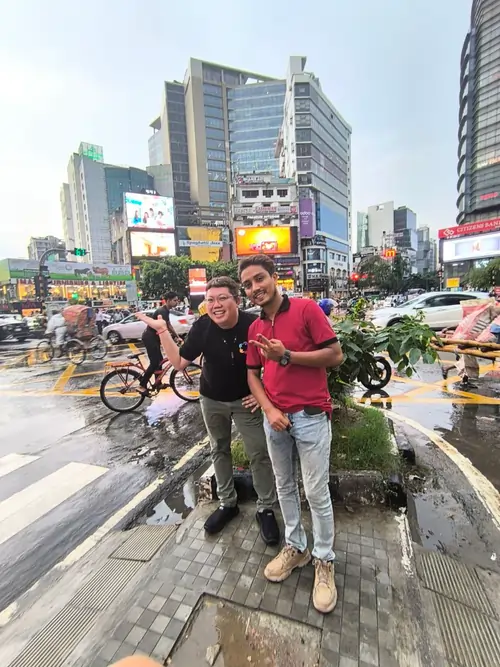
Table of Contents
Your Energy Is Currency — Spend It Wisely
Time is no longer the metric that defines a meaningful life. If you live in fast cities, across shifting regions, or in roles that demand constant reinvention, you eventually learn a deeper truth: your energy is currency — and the way you spend it determines the quality of your days more than the hours you track.
People talk endlessly about productivity, but nobody talks about the emotional cost of staying “on” for too long. Some days, focus and output come naturally. Other days, it feels like lifting concrete. And in the moments where life expands — traveling for work, shifting cultures, navigating intense projects — you start realizing that true effectiveness isn’t about doing more; it’s about protecting what fuels you.
By the end of this piece, you’ll see how to work with your energy, not just your calendar.
Bangladesh: Where Every Day Counts
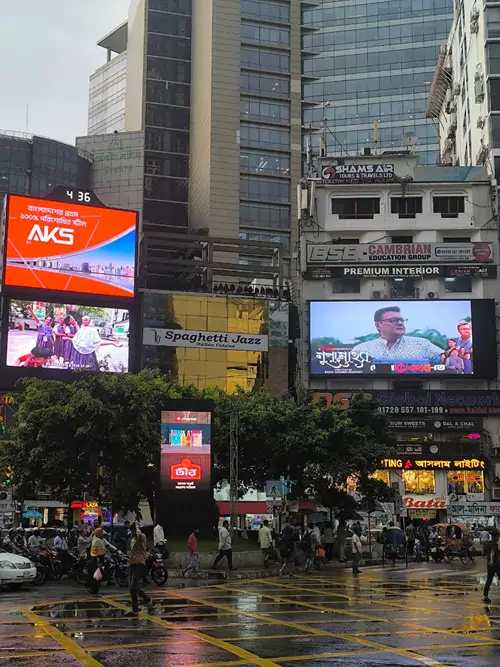
A business trip in Bangladesh doesn’t give you the luxury of coasting. Here, every single day counts, because the market moves fast, digital habits evolve in real time, and consumer behavior shifts with the smallest cultural nuance.
From dawn to dusk, you’re out there:
- Talking to customers under the warm Dhaka sun
- Walking through markets where people’s purchasing decisions reveal the real economy
- Observing youth scrolling through apps with sharp digital instincts
- Meeting communication and advertising agencies who shape the pulse of campaigns
- Sitting with cross-functional teams who want to build, expand, and grow
- Always capturing insights, because insight is the backbone of meaningful work
In Bangladesh, effectiveness is not measured by hours in a room. It’s measured by how deeply you understand the people you serve — their digital lifestyle, aspirations, and behavior at the speed of a growing economy. Out there, energy matters more than time. The streets teach you. The conversations train you. And the work demands presence, not just hours.
The Southeast Asian Rhythm: Cambodia, Vietnam, Philippines
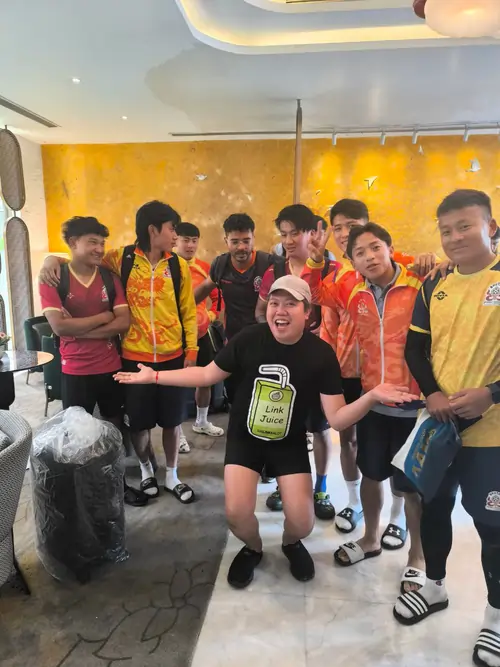
When you work across Southeast Asia — Cambodia, Vietnam, the Philippines — you learn a different kind of rhythm. Remote teams, shifting timelines, hybrid processes, and the cultural dance of helping people feel understood.
Here’s what it feels like:
- In Cambodia, the Mekong quietly resets your mood
- In Vietnam, the hum of coffee shops fuels focus
- In the Philippines, teams carry warmth even in the busiest days
And as a Project Manager, you’re always meeting people halfway: understanding where they are, what they’re building, what slows them, and what lights them up. From there, you help fast-track projects — not by force, but by alignment.
Your role is not to push. Your role is to empower. Across cultures, across time zones, across communication styles, this becomes a shared language — not just a KPI.
Tracking Energy Instead of Time
This is where everything shifts. People who rely solely on hours burned out decades ago. People who rely on energy? They adapt. They expand. They thrive.
Here’s what tracking energy means:
- Notice where you rise and where you drain — Some tasks refill your tank: strategy, fieldwork, deep creation. Some tasks drain you: repetitive loops, unclear instructions, misalignment. By noticing, you protect your energy.
- Stop treating your brain like an unlimited factory — The city might run 24/7 — but you don’t. Respecting your limits increases your output.
- Build rituals before work happens to you — Morning routines, mindful moments, quiet spaces — they shape your output long before your laptop opens.
- Choose depth over speed — Anyone can rush; few can dive. Depth creates clarity, and clarity accelerates results.
- Protect your mind like your income — Energy is income. And spent well, it powers everything else.
The Art of Wise Energy Spending
When you travel for work, juggle remote teams, or manage cross-cultural projects, you learn three truths:
- Not all tasks deserve the same energy — Giving everything 100% destroys focus.
- People influence your energy more than tasks do — Supportive teams fuel you. Chaotic teams drain you.
- Create recovery pockets — Energy doesn’t regenerate by accident. You have to build the moments where you breathe, step back, and recalibrate.
Travel Teaches You What the Office Never Could
- Bangladesh teaches intensity.
- Cambodia teaches calm.
- Vietnam teaches flow.
- The Philippines teaches spirit.
Each place reshapes how you work, how you show up, and how you manage your energy as currency. When you blend these lessons, you gain a unique advantage: you understand effectiveness not as speed, hustle, or pressure — but as alignment. Alignment of purpose. Alignment of energy. Alignment of effort. When your energy aligns with your work, results become effortless.
Your Energy, Your Currency
Time renews every day. Energy does not. That’s why you must spend it:
- On work that matters
- On people who value your presence
- On ideas that expand you
- On missions that grow economies and grow you
- On teams that feel like momentum, not resistance
When you finally understand this, your entire approach to work changes. You become intentional. You become strategic. You become lighter yet stronger. The goal is never to do everything. The goal is to direct your energy toward the things that move your life forward. That’s what real success looks like.