

Eating for Longevity: 8 Delicious Foods That Can Help You Live a Longer, Healthier Life
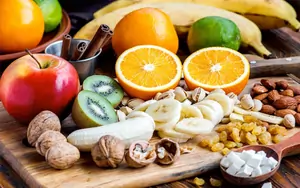
Who doesn’t want to live a long, vibrant, and healthy life? While no one can turn back the clock, one powerful way to influence our longevity is through the food we eat. The right foods not only provide essential nutrients but can also protect us from the diseases and conditions that typically come with aging. Eating for longevity doesn’t mean restrictive diets or complex meal plans—it’s about incorporating nutrient-dense, wholesome foods that help reduce inflammation, support heart health, improve digestion, and keep your brain sharp.
In this article, we’re going to dive into the foods that can enhance your health, boost your energy, and increase your chances of living a longer, more fulfilling life. These foods are packed with health-boosting properties and will nourish you from the inside out. So, let’s get started on this journey to healthier, happier aging!
1. Berries: The Antioxidant-Rich Fruits That Fight Aging
Berries are like tiny nutritional powerhouses, bursting with vitamins, antioxidants, and fiber that help fight the signs of aging. Rich in antioxidants such as anthocyanins, flavonoids, and polyphenols, these small fruits help combat oxidative stress and reduce inflammation, both of which are key factors in aging and the onset of chronic diseases.
Berries such as blueberries, strawberries, raspberries, blackberries, and acai berries contain high levels of vitamin C, which not only helps your immune system but also promotes collagen production for youthful skin. Moreover, the antioxidants found in berries help protect your cells from damage and support cognitive function, keeping your brain sharp well into your later years.
Why Berries Are Good for You:
- Anti-aging: Packed with antioxidants that reduce oxidative stress.
- Brain-boosting: Supports cognitive health and reduces the risk of neurodegenerative diseases.
- Heart-healthy: Reduces inflammation and improves cardiovascular health.
Tips for Enjoying More Berries:
- Toss fresh berries into your morning oatmeal or smoothie for a nutrient-dense start to your day.
- Use frozen berries as a topping for yogurt or mix them into your favorite dessert.
- Add berries to your salads for a refreshing burst of flavor.
2. Leafy Greens: Nutrient-Dense Veggies That Keep You Healthy and Strong
Leafy greens are a cornerstone of any longevity-focused diet. These vegetables are packed with a range of nutrients such as vitamins A, C, E, and K, folate, iron, calcium, and magnesium—all essential for your body’s overall health. Leafy greens like kale, spinach, Swiss chard, and arugula are also loaded with antioxidants and fiber, which support heart health, digestive function, and overall immunity.
Studies have shown that consuming more leafy greens can reduce your risk of chronic diseases such as heart disease, diabetes, and even cancer. These vegetables are also rich in chlorophyll, which has been shown to help detoxify the body and maintain a healthy weight.
Why Leafy Greens Are So Good for You:
- Supercharge immunity: Rich in vitamins and minerals that enhance your body’s defenses.
- Gut health: High fiber content supports healthy digestion and a balanced microbiome.
- Longevity: May reduce the risk of chronic diseases and age-related cognitive decline.
How to Add More Leafy Greens to Your Diet:
- Make a habit of adding a handful of spinach or kale to your morning smoothie.
- Use leafy greens as a base for salads and top with your favorite protein.
- Sauté them with garlic and olive oil for a quick, delicious side dish.
3. Nuts and Seeds: The Tiny Powerhouses of Healthy Fats and Protein
Nuts and seeds are packed with healthy fats, plant-based protein, and fiber. These tiny but mighty foods can have a major impact on your longevity. Walnuts, almonds, pistachios, chia seeds, flaxseeds, and pumpkin seeds are loaded with omega-3 fatty acids, which support heart health, reduce inflammation, and improve brain function.
Incorporating nuts and seeds into your diet regularly is linked to lower cholesterol levels, improved blood pressure, and a reduced risk of heart disease. Additionally, these foods can help stabilize blood sugar levels and provide steady energy throughout the day.
Why Nuts and Seeds Are Great for Longevity:
- Heart health: Omega-3 fatty acids promote cardiovascular wellness.
- Brain health: Supports cognitive function and reduces the risk of mental decline.
- Weight management: High in fiber and protein, they help you feel full longer and prevent overeating.
Ideas for Including Nuts and Seeds in Your Meals:
- Sprinkle chia or flaxseeds on your yogurt, cereal, or salad.
- Carry a small pack of mixed nuts for a quick, healthy snack.
- Use almond butter as a spread on whole-grain toast or as an ingredient in smoothies.
4. Fatty Fish: A Source of Omega-3s for Heart and Brain Health
Fatty fish like salmon, mackerel, sardines, and tuna are rich in omega-3 fatty acids—good fats that have been shown to reduce the risk of heart disease, improve cognitive function, and lower inflammation. Omega-3s are essential for maintaining healthy brain function and have been linked to a reduced risk of dementia and Alzheimer’s disease.
In addition to omega-3s, fatty fish is also an excellent source of protein, vitamin D, and selenium, all of which support immune health and prevent oxidative damage to cells. Studies have shown that individuals who regularly consume fish live longer and have better overall health.
Why Fatty Fish Are Essential for Longevity:
- Heart health: Reduces the risk of cardiovascular diseases by improving cholesterol and lowering blood pressure.
- Brain function: Protects against cognitive decline and boosts memory.
- Anti-inflammatory: Helps reduce inflammation, which is associated with numerous age-related diseases.
Tips for Adding More Fatty Fish to Your Diet:
- Enjoy grilled or baked salmon with a side of vegetables for a healthy dinner.
- Add mackerel or sardines to salads or whole-grain sandwiches for a quick meal.
- Incorporate fatty fish into your meal prep for an easy and nutritious option throughout the week.
5. Legumes: Plant-Based Protein for a Healthy, Long Life
Legumes—such as beans, lentils, chickpeas, and peas—are excellent sources of plant-based protein and fiber. These foods help regulate blood sugar levels, lower cholesterol, and support digestive health. They are also rich in folate, iron, and magnesium, essential nutrients that play key roles in overall health.
Regular consumption of legumes has been linked to a reduced risk of heart disease, type 2 diabetes, and some forms of cancer. Moreover, legumes are a great source of antioxidants, which help protect your cells from free radical damage and support your longevity.
Why Legumes Are Vital for Your Longevity:
- Plant-based protein: A great alternative to meat, supporting muscle health and weight management.
- Heart-healthy: Helps lower cholesterol and reduce the risk of cardiovascular diseases.
- Digestive health: High in fiber, which promotes healthy digestion and reduces the risk of constipation.
How to Add Legumes to Your Meals:
- Add chickpeas to your salads or blend them into hummus for a healthy snack.
- Use lentils in soups, stews, or as a base for vegetarian tacos.
- Incorporate beans into your grain bowls for added texture and protein.
6. Olive Oil: A Healthy Fat for Cooking and Dressing
Extra virgin olive oil, a key component of the Mediterranean diet, is rich in monounsaturated fats, which are heart-healthy fats that can lower bad cholesterol (LDL) and raise good cholesterol (HDL). Olive oil is also packed with polyphenols—antioxidants that help fight inflammation and prevent oxidative damage to cells. Regular consumption of olive oil is associated with a lower risk of heart disease, stroke, and certain cancers.
The anti-inflammatory properties of olive oil make it a great food for longevity, helping to protect the body’s cells and tissues as we age. It also supports brain function and may even help reduce the risk of Alzheimer’s disease.
Why Olive Oil Is Good for You:
- Heart health: Reduces the risk of cardiovascular diseases by improving cholesterol levels.
- Anti-inflammatory: Helps fight chronic inflammation and supports healthy aging.
- Brain health: Protects against cognitive decline and boosts memory.
Tips for Incorporating Olive Oil:
- Use olive oil as a base for homemade salad dressings.
- Drizzle it over roasted vegetables or pasta for added flavor and health benefits.
- Substitute olive oil for butter in baking or cooking for a healthier option.
7. Whole Grains: Fuel for a Healthy and Active Life
Whole grains like quinoa, brown rice, barley, and oats are full of fiber, antioxidants, and essential vitamins and minerals such as magnesium and iron. Unlike refined grains, whole grains retain their bran and germ, making them a rich source of fiber and nutrients. These grains help regulate blood sugar levels, improve digestion, and reduce the risk of heart disease and type 2 diabetes.
Whole grains are also known to improve weight management by promoting satiety and reducing hunger cravings. By including whole grains in your diet, you can improve your energy levels and support long-term health.
Why Whole Grains Are Important for Longevity:
- Blood sugar control: Helps regulate blood sugar and prevent spikes that can lead to diabetes.
- Digestive health: Fiber-rich, promoting healthy digestion and reducing the risk of constipation.
- Heart health: Reduces the risk of heart disease by improving cholesterol levels.
Ways to Enjoy Whole Grains:
- Swap out white rice for quinoa or brown rice in your meals.
- Add oats to smoothies or enjoy a warm bowl of oatmeal for breakfast.
- Use whole grain bread or pasta for your sandwiches and pasta dishes.
8. Garlic: The Flavorful Superfood That Packs a Health Punch
Garlic isn’t just a flavorful addition to your meals—it’s also a powerful superfood with many health benefits. The active compounds in garlic, such as allicin, have been shown to support immune health, reduce blood pressure, lower cholesterol, and prevent heart disease. Garlic also contains antioxidants that help fight oxidative stress, keeping your cells healthy and youthful.
Studies have found that garlic consumption is associated with a lower risk of several chronic conditions, including cardiovascular diseases, cancer, and neurodegenerative diseases. Its antibacterial and antiviral properties also help protect against infections.
Why Garlic Should Be in Your Diet:
Garlic is much more than just a flavor booster for your meals—it’s a powerful superfood with a variety of health benefits that support long-term well-being and longevity. Here’s why you should consider making garlic a regular part of your diet:
1. Boosts Immunity: Natural Defense Against Illness
Garlic has been used for centuries as a natural remedy to fight off infections and boost overall immune function. The active compounds in garlic, particularly allicin, have strong antibacterial, antiviral, and antifungal properties, which help strengthen your immune system and make your body more resistant to illnesses. This makes garlic an excellent addition to your diet, especially during cold and flu season.
Research has shown that regular consumption of garlic can reduce the frequency and severity of common colds and help the body fight off other infections. Garlic also promotes the production of white blood cells, which are essential for immune defense.
Benefits:
- Enhances immune function by stimulating white blood cell production
- Reduces the risk of bacterial, viral, and fungal infections
- May shorten the duration of common colds
How it helps:
Incorporating garlic into your daily meals can give your immune system the extra support it needs, especially during times when you’re most vulnerable to illness.
2. Heart Health: A Natural Cardiovascular Protector
Garlic is well-known for its positive impact on heart health. It helps reduce blood pressure, lower cholesterol, and maintain healthy blood circulation—all of which are essential for preventing heart disease and strokes. Studies have found that garlic’s ability to lower blood pressure is particularly beneficial for individuals who have high blood pressure (hypertension), as it can help relax blood vessels and improve blood flow.
The compounds in garlic also play a key role in lowering harmful LDL (bad) cholesterol while increasing HDL (good) cholesterol. By reducing the amount of cholesterol that builds up in the arteries, garlic helps prevent atherosclerosis, a condition where the arteries become clogged and hardened, which can lead to heart attacks.
Benefits:
- Lowers blood pressure and improves circulation
- Reduces harmful LDL cholesterol while increasing protective HDL cholesterol
- Reduces the risk of heart disease and stroke
How it helps:
Incorporating garlic into your diet can improve heart health and reduce the risk of cardiovascular diseases, promoting overall wellness as you age.
3. Anti-Aging: Protects Against Oxidative Stress
One of the most powerful properties of garlic is its ability to fight oxidative stress, a key contributor to aging and the development of age-related diseases. Oxidative stress occurs when the body’s cells are damaged by free radicals—unstable molecules that are a natural byproduct of metabolism. Over time, free radical damage can lead to chronic conditions such as arthritis, heart disease, and even certain types of cancer.
Garlic contains a potent antioxidant known as allicin, which not only helps neutralize free radicals but also boosts the body’s own antioxidant defense system. By fighting oxidative stress, garlic helps protect your cells from damage, slowing down the aging process and reducing the risk of chronic diseases associated with aging.
Conclusion: Eat for Longevity, Live for Health
Eating for longevity isn’t just about following a specific diet—it’s about making mindful choices every day to nourish your body and support a long, healthy life. By incorporating nutrient-rich foods like berries, leafy greens, nuts, fatty fish, legumes, olive oil, whole grains, and garlic into your meals, you can reduce the risk of chronic diseases, maintain a healthy weight, and keep your mind sharp as you age.
So, what are you waiting for? Start making small changes today by adding these longevity-boosting foods to your diet. Over time, you’ll notice improved energy levels, enhanced mood, and better overall health. Here’s to living a longer, healthier, and more vibrant life!
Take Action Now: Begin by adding just one of these longevity-promoting foods to your meals today, and over time, you’ll see the powerful impact it has on your life! 🌱