
Adulting 101: Crucial Life Skills School Never Taught You
Table of Contents
Introduction
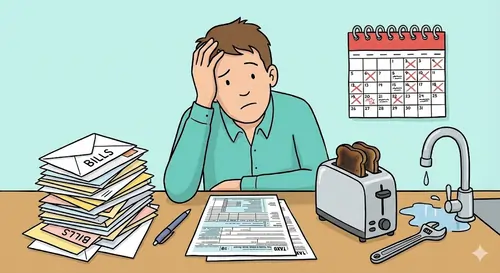
We have all been there. You graduate, toss your cap in the air, and step confidently into the world, only to realize that while you know how to calculate the hypotenuse of a triangle, you have absolutely no idea how to file your taxes or unclog a sink. The transition from student to independent adult is rarely smooth. It is often a jarring realization that the curriculum of life requires a completely different set of tools than the ones provided in the classroom.
This gap in knowledge is where the concept of basic adulting skills comes into play for positivity and self-empowerment. It is a phrase we whisper to ourselves when we burn dinner or shout in triumph when we finally figure out health insurance copays. But what does it actually mean to be proficient in adulthood? It is not just about paying bills; it is about building a sustainable, healthy, and organized life.
In this extensive guide, we will break down the essential pillars of modern independence. We are moving beyond the surface level to explore the specific, actionable basic adulting skills you need to master to stop just surviving and start thriving.
The Foundation: Why “Adulting” Feels So Hard
Why does everyone seem to struggle with this transition? The simple answer is that basic adulting skills are rarely intuitive. They are learned behaviors. For generations, these skills were passed down through observation, but in today’s fast-paced digital economy, traditional community structures have shifted. We are often living alone sooner, moving further away from family, and facing a more complex financial landscape than our parents did.
Mastering basic adulting skills is not about perfection. It is about closing the gap between “I don’t know what I’m doing” and “I can figure this out.” Whether you are 22 or 42, refining your basic adulting skills is a continuous process of self-improvement that yields massive returns in peace of mind and personal confidence.
Pillar 1: Financial Literacy – The Engine of Independence
If adulthood has a final boss, it is likely personal finance. Money management is arguably the most critical category of basic adulting skills because it impacts every other area of your life.
Budgeting Without the Boredom
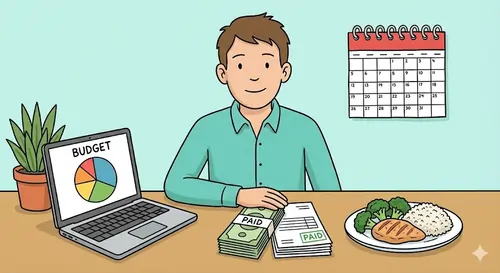
Many people view budgeting as a restriction, but in reality, a budget is simply a plan for your money. One of the most essential basic adulting skills is creating a budget that reflects your actual life, not a fantasy version of it.
- The 50/30/20 Rule: This is a standard framework. Allocate 50% of income to needs (rent, groceries), 30% to wants (dining out, hobbies), and 20% to savings and debt repayment.
- Tracking vs. Planning: Knowing where your money went (tracking) is different from deciding where it goes (planning). True mastery of basic adulting skills involves the latter.
Understanding Credit Scores
Your credit score is your adult report card. Learning to maintain a high credit score is one of those basic adulting skills that will save you thousands of dollars in interest rates later.
- Utilization Ratio: Keep your credit card balances below 30% of your limit.
- Payment History: Never miss a payment. Set up autopay if necessary.
- The Myth of Carrying a Balance: You do not need to carry a balance and pay interest to build credit. Paying it off in full every month is the gold standard of basic adulting skills.
Taxes: The Inevitable Burden
School taught us about the Boston Tea Party, but not how to fill out a 1040 form. Understanding how income tax works is a non-negotiable aspect of basic adulting skills.
- Withholdings: If you are an employee, understand your W-4. If you under-withhold, you owe money in April. If you over-withhold, you gave the government an interest-free loan.
- Freelance Taxes: If you have a side hustle, you must set aside roughly 25-30% of that income for taxes. Failing to do so is a classic failure in basic adulting skills.
The Emergency Fund
Life is unpredictable. Your car will break down; you might need a sudden dental procedure. Building an emergency fund (3 to 6 months of expenses) is one of the most protective basic adulting skills you can develop. It turns a financial disaster into a mere inconvenience.
Pillar 2: Domestic Mastery – Running Your Own Ship
Your living space is a reflection of your mental state. When your home is chaotic, your mind often feels the same. Developing domestic basic adulting skills ensures your sanctuary remains a place of rest, not stress.
Nutritional Competence (Cooking)
You do not need to be a Michelin-star chef, but reliance on takeout is a drain on both your health and your wallet.
- The “5-Meal Rotation”: One of the most practical basic adulting skills is mastering five simple, healthy meals you can cook from memory. Think stir-fry, roasted chicken, a solid pasta dish, a hearty salad, and an egg-based breakfast.
- Grocery Shopping Strategy: Going to the store without a list is a rookie mistake. Efficient grocery shopping—buying ingredients that can be used in multiple meals—is a tier-one basic adulting skill.
Clothing Care and Laundry
Shrinking your favorite sweater is a rite of passage, but it doesn’t have to be a habit.
- Decoding Tags: Those little symbols on clothing tags are instructions, not suggestions. Learning to read them is part of your arsenal of basic adulting skills.
- Stain Removal: Speed matters. Knowing that cold water is for blood and hot water sets stains is knowledge that saves your wardrobe.
Basic Home Maintenance
You shouldn’t have to call a professional for everything. Expanding your basic adulting skills to include minor repairs empowers you.
- Unclogging Drains: Learn to use a plunger and a drain snake.
- Resetting a Breaker: If the lights go out, knowing where your fuse box is and how to flip a switch is essential.
- Assembling Furniture: It tests your patience, but following a manual to build a bookshelf is a surprisingly relevant exercise in the patience required for other basic adulting skills.
Pillar 3: Health and Wellness – Body Management
In school, gym class was mandatory. In adulthood, no one forces you to move your body or eat a vegetable. Taking radical responsibility for your physical vessel is a cornerstone of basic adulting skills.
Navigating the Healthcare System
This is often the most intimidating sector.
- Health Insurance Literacy: Do you know the difference between a deductible, a premium, and a copay? If not, adding this to your list of basic adulting skills is urgent.
- Premium: What you pay monthly.
- Deductible: What you pay before insurance kicks in.
- Copay: The flat fee you pay for a visit.
- Scheduling Appointments: You must be your own secretary. Dentists every 6 months, physicals once a year. Putting these on a calendar is a simple but vital application of basic adulting skills.
Sleep Hygiene
Pulling all-nighters is not a badge of honor anymore; it’s a health risk. Prioritizing sleep is one of those basic adulting skills that optimizes performance in every other area of life.
- Routine: Going to bed and waking up at similar times regulates your circadian rhythm.
- Environment: Investing in good pillows and blackout curtains is an investment in your productivity.
Mental Health Awareness
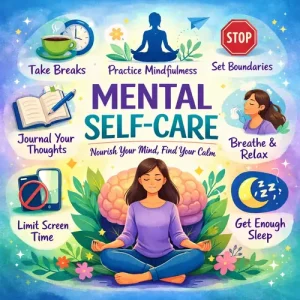
Recognizing when you are overwhelmed and knowing how to seek help is a modern addition to the canon of basic adulting skills. It involves destigmatizing therapy and understanding that mental maintenance is just as important as dental maintenance.
Pillar 4: Professional & Social Skills – Navigating the World
Once you leave the structured environment of education, the rules of engagement change. Soft skills become hard currency. Developing professional basic adulting skills is what accelerates your career and stabilizes your relationships.
Communication and Email Etiquette
You cannot use text-speak in a professional email.
- Clarity and Brevity: The ability to write a concise, clear email is one of the most undervalued basic adulting skills. State your purpose, provide necessary context, and have a clear call to action.
- Conflict Resolution: Avoiding conflict is childish; navigating it is adult. Learning to say, “I felt frustrated when…” instead of “You always…” is a masterclass in basic adulting skills.
Time Management and Prioritization
There is no bell to dismiss you. You manage your own flow.
- The Art of Saying No: You cannot do everything. Protecting your time by politely declining low-priority obligations is one of the most liberating basic adulting skills.
- Calendar blocking: Use your calendar for tasks, not just meetings. If it isn’t scheduled, it doesn’t exist.
Networking (Relationship Building)
Networking feels gross only when it’s transactional. Authentic networking is simply making friends who share your professional interests.
- The Follow-Up: After meeting someone, sending a brief “It was great to meet you” note is a polished example of basic adulting skills. It keeps doors open.
Pillar 5: Emotional Regulation – The Internal Game
Perhaps the most surprising aspect of growing up is realizing how much internal work is required. Emotional regulation is the glue that holds all other basic adulting skills together. If you cannot manage your emotions, you cannot manage your money or your relationships.
Handling Failure
In school, an ‘F’ was a disaster. In life, failure is data. Reframing failure as a learning opportunity is one of the most sophisticated basic adulting skills. It allows you to pivot, adapt, and keep moving forward without a loss of self-worth.
Self-Validation
As a child, you looked to parents and teachers for praise. As an adult, you must source that validation internally. Learning to be proud of yourself, even when no one else is watching, is a profound psychological shift and a critical component of basic adulting skills.
Setting Boundaries
Boundaries are not walls; they are instructions on how you wish to be treated. Whether it is with overbearing parents or demanding bosses, the ability to enforce boundaries is essential. It prevents burnout and resentment, making it a protective factor in your suite of basic adulting skills.
The Learning Curve: How to Acquire These Skills
You might be looking at this list and feeling overwhelmed. That is a natural reaction. The acquisition of basic adulting skills does not happen overnight. It is a slow accumulation of habits.
The “One Thing” Method
Do not try to overhaul your entire life this weekend. Pick one area. Maybe this month you focus solely on financial basic adulting skills. You set up your budget and automate your savings. Next month, you focus on cooking. Breaking it down makes it manageable.
Leveraging Technology
We live in the information age. There is a YouTube tutorial for almost every single one of these basic adulting skills. From fixing a leaky faucet to negotiating a salary, the information is free. The skill lies in the initiative to seek it out.
Finding Mentors
Look at the adults around you who seem to have it together. Ask them questions. Most people are flattered to share their wisdom. Learning from the mistakes of others is a shortcut to mastering basic adulting skills.
Why “Basic Adulting Skills” Matter for Your Future
When we talk about basic adulting skills, we aren’t just talking about chores. We are talking about freedom. When you know how to manage your money, you are free from the anxiety of debt. When you know how to cook, you are free from reliance on unhealthy food. When you know how to manage your time, you are free to pursue your passions.
The narrative that “adulting is a trap” is only true if you lack the tools to navigate it. Once you possess these basic adulting skills, adulthood becomes a playground of agency and choice. You get to design the life you want, but you have to build the foundation first.
Common Roadblocks to Mastering Adulting
Even with the best intentions, obstacles arise. Identifying these roadblocks is part of refining your basic adulting skills.
Procrastination
Putting off boring tasks is human nature. However, the “adult” version of procrastination often comes with financial penalties (late fees) or health consequences. Overcoming procrastination by using the “2-minute rule” (if it takes less than 2 minutes, do it now) is a tactical application of basic adulting skills.
Perfectionism
Waiting for the “perfect” time to start investing or the “perfect” meal plan usually leads to doing nothing. Imperfect action is better than perfect inaction. Embracing “good enough” is a mindset shift that facilitates the learning of basic adulting skills.
Fear of Judgment
Many young adults are afraid to ask questions because they feel they “should” already know the answer. Let go of this ego. Admitting you don’t know how to change a tire and asking for help is actually a display of high-level basic adulting skills.
Advanced Adulting: Moving Beyond the Basics
Once you have the basic adulting skills down, you can level up.
- Investing: Moving from saving to investing (stocks, real estate).
- Community Leadership: moving from attending events to organizing them.
- Mentorship: Teaching others the basic adulting skills you have mastered.
This progression is natural. As your competence grows, so does your capacity to handle complexity. But you must respect the basics. You cannot build a skyscraper on a swamp. The basic adulting skills outlined here are the bedrock of a successful life.
The Role of Mindset in Skill Acquisition
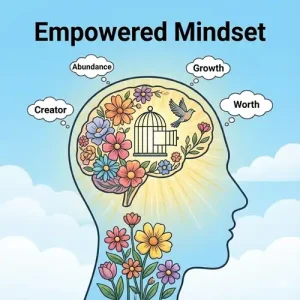
Your attitude toward these tasks changes everything. If you view laundry as a punishment, it will always be miserable. If you view it as an act of self-care—providing your future self with clean clothes—it becomes bearable, perhaps even satisfying. Reframing chores as acts of service to yourself is one of the hidden secrets of mastering basic adulting skills.
It is also important to recognize that basic adulting skills are dynamic. The skills required to navigate your 20s might differ from those needed in your 30s. Technology changes (hello, crypto and AI), laws change, and your personal circumstances change. Adaptability is the meta-skill that governs all other basic adulting skills.
A Note on Compassion
Finally, be kind to yourself. You will mess up. You will forget a bill. You will shrink a sweater. You will say the wrong thing in a meeting. This does not mean you are failing at life; it means you are living it. Resilience—the ability to recover from these small stumbles—is the ultimate proof that you are acquiring the necessary basic adulting skills.
No one was born knowing how to do this. We are all figuring it out, one tax return and burnt lasagna at a time. The pursuit of basic adulting skills is a noble one because it signifies a desire to take responsibility for your own existence. And that, in itself, is something to be proud of.
FAQs About Adulting Skills
1. How long does it take to master basic adulting skills?
There is no set timeline. Some people master budgeting in a month but struggle with cooking for years. Mastering basic adulting skills is a lifelong journey. Focus on progress, not a finish line. The goal is to feel competent, not perfect.
2. Which basic adulting skill should I prioritize first?
Financial literacy is generally the most urgent. Mistakes in finance (like debt or missed taxes) can have long-term legal and credit consequences. Once you have a handle on your money, prioritize health and domestic basic adulting skills.
3. Is it too late to learn basic adulting skills if I am in my 30s or 40s?
Absolutely not. It is never too late. Many people find themselves needing to learn basic adulting skills later in life due to divorce, career changes, or other shifts. The brain is plastic; you can learn these skills at any age.
4. Are there apps that help with basic adulting skills?
Yes! Technology is a huge help. For finance, try apps like YNAB or Mint. For cooking, look at Mealime. For productivity, try Notion or Todoist. Using tools to support your basic adulting skills is a smart strategy.
5. Why do I feel overwhelmed even when I am trying to learn these skills?
This is normal. The cognitive load of adulthood is heavy. You are managing a household, a career, a body, and a social life simultaneously. When you feel overwhelmed, it usually means you are trying to do too much at once. Step back and focus on just one of the basic adulting skills until it becomes a habit.
Conclusion
The transition to adulthood is less about a specific age and more about the accumulation of basic adulting skills that allow you to stand on your own two feet. It is a journey from dependence to independence, and eventually, to interdependence where you can support others.
While school may have missed the mark on teaching us how to navigate interest rates or manage emotional boundaries, the world is an excellent, albeit demanding, teacher. By proactively engaging with these basic adulting skills, you are not just checking boxes on a list of chores. You are crafting a life of intention, security, and purpose.
Remember, you are capable. You are resilient. And with a little patience and practice, you can master every single one of these basic adulting skills. So, take a deep breath, pay that bill, cook that meal, and pat yourself on the back. You’re doing great.
You May Also Like: